Water coming through a ceiling
Arrange entry to the affected flat and the home above. The wet patch may be away from the source.
When another flat is involvedADI investigates hidden water leaks in flats across Greater London, including leaks affecting more than one home. Explain where water appears and arrange access with the occupiers and building manager before the visit.
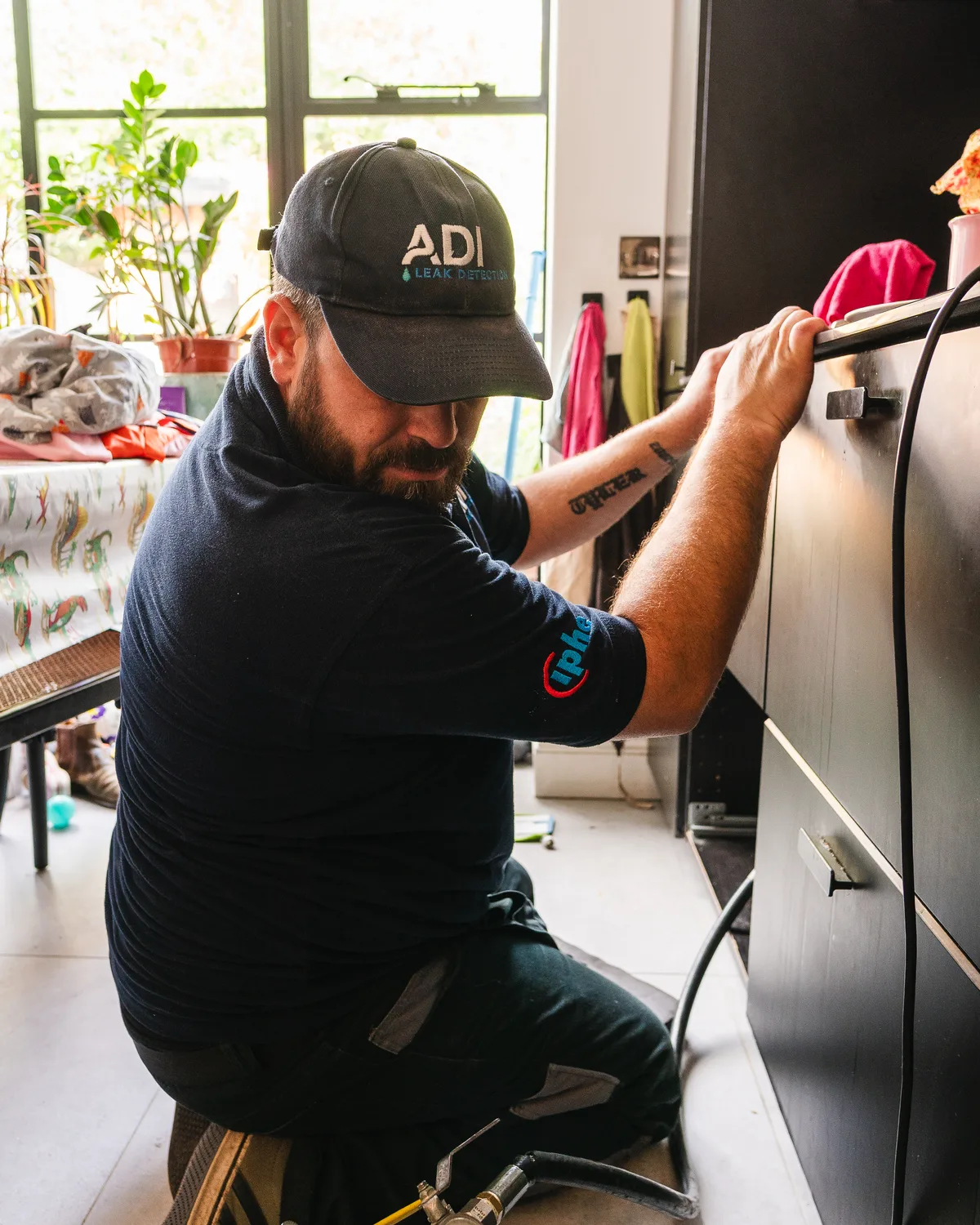
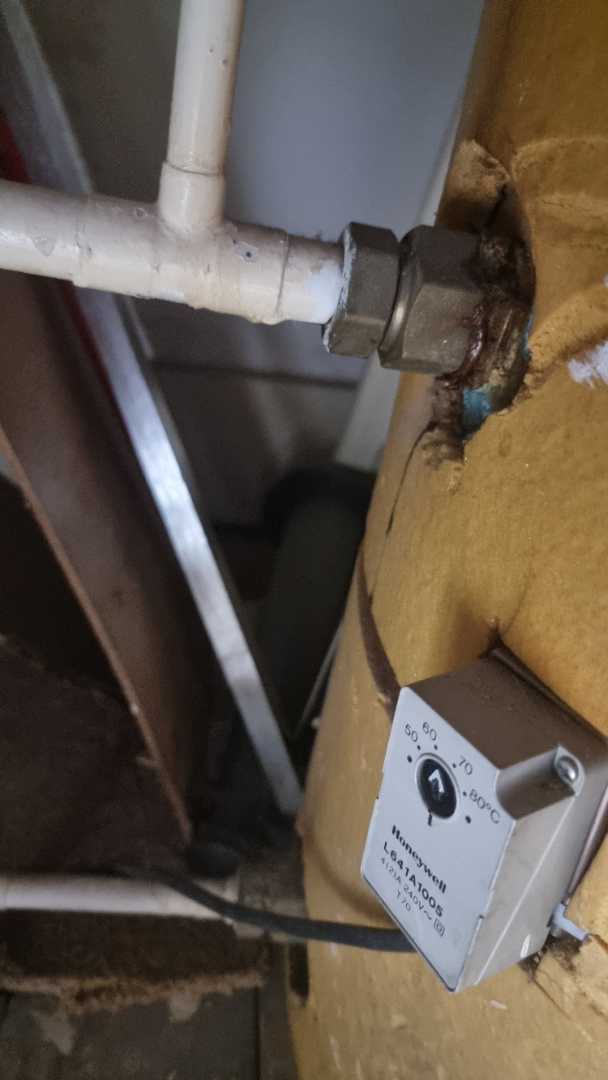
In a London house converted into flats, bedroom-ceiling stains lay beneath the kitchen and utility cupboard of the flat above. Moisture and thermal checks did not reveal the cause, but visual inspection found a dripping heating connection at the hot-water cylinder. The engineer tightened the connection and the observed drip stopped.
Separate tests of the incoming cold supply, hot-water pipework, gravity-fed cold supply and heating held pressure during the visit. Other watermarks at a roof-and-wall junction in the utility cupboard still needed attention. The report does not establish that tightening the connection explained every stain, repaired the roof or restored the finishes.
This page follows the ceremonial county of Greater London: the 32 London boroughs, including Westminster, but excluding the separate City of London.
You usually notice the signs before anyone knows the source. The investigation starts with what you have seen and works back to the pipe.
Arrange entry to the affected flat and the home above. The wet patch may be away from the source.
When another flat is involvedRecord what your neighbour sees and agree access through the relevant occupiers or building manager.
Arranging accessNote which fitting was used before damp appeared, and share any earlier repairs to the surrounding pipework.
How the methods helpProvide the pressure history and any boiler checks. Pressure loss alone does not identify a concealed leak.
Read a heating leak case study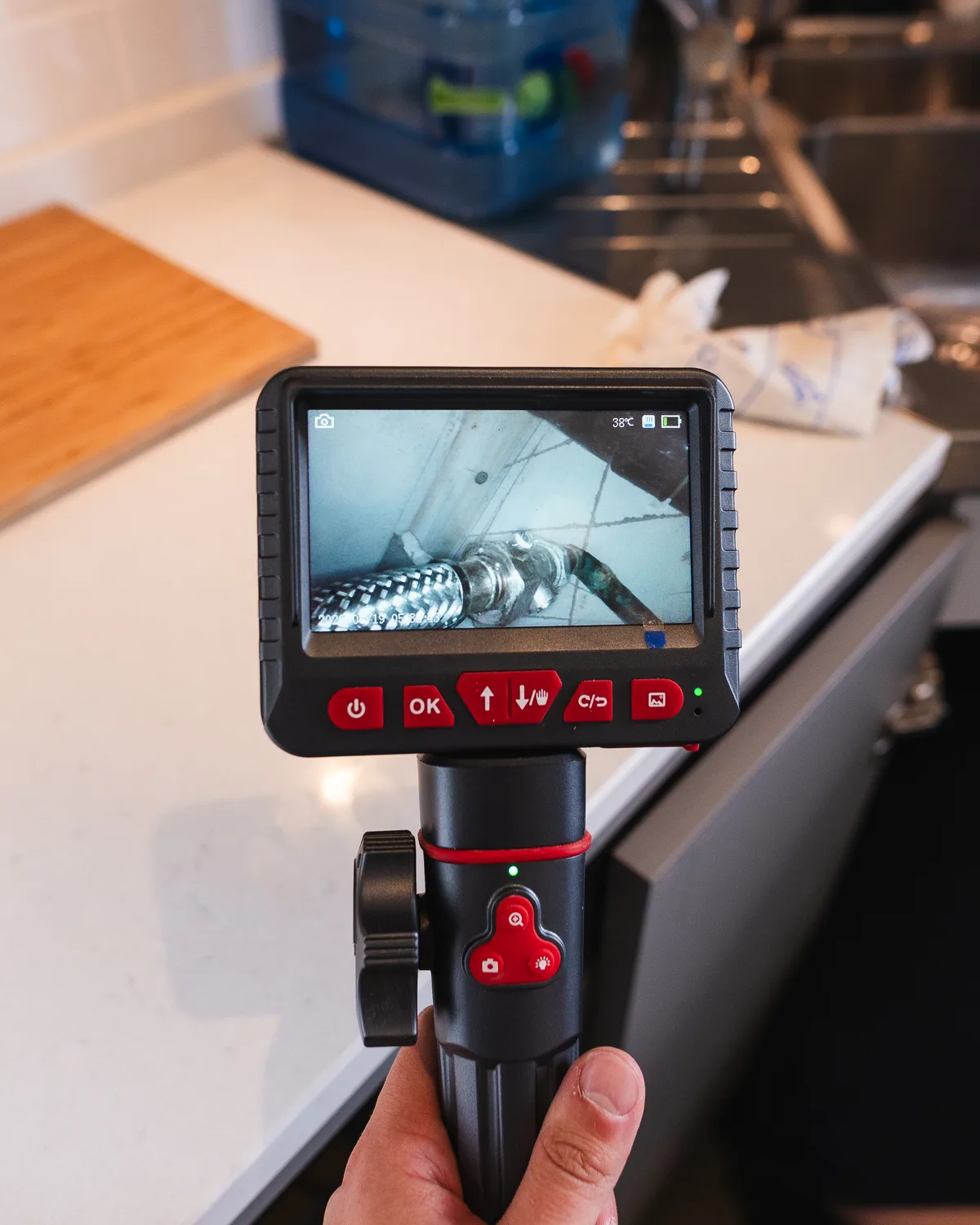
Not every method suits every leak. The engineer picks a combination based on the pipework, the building and what can be reached.
Selected excerpts from five-star reviews of ADI’s wider service across the UK.

Read Andrew W’s full review on TrustpilotJames provided an excellent service. Arrived very promptly and was quick to locate the leak on our front driveway.
Read Alison White’s full review on TrustpilotI like the follow up report and photographs.. helpful with insurance!
Answers for flat owners, landlords and residents in Greater London. For anything specific to your building, the team can talk it through on the phone.
This page follows the ceremonial county of Greater London: the 32 London boroughs, including Westminster, but excluding the separate City of London. The places listed are examples within Greater London, not a complete list or a record of past jobs. Call with the full postcode to discuss the property and current availability.
Tell the occupier above and whoever manages your building, such as a landlord, letting agent or managing agent. If you rent, report it to your landlord straight away. Note when and where the water appears. Read the guide to leaks between flats.
Check the actual drinking-water supplier’s information for your postcode. Hardness varies locally, and a hardness result does not establish why a pipe is leaking. Describe the symptoms and any earlier investigations when arranging a survey.
Access may be needed to another flat or communal pipework. Agree this with each occupier and the building manager before the visit; do not promise access on someone else’s behalf.
Call us to discuss your property and arrange a survey. The team will ask about the symptoms you have noticed and confirm engineer availability for your borough. This website does not offer online booking.
Your enquiry goes directly to ADI Leak Detection. Tell the team what you have noticed, your postcode and which flats may need access. They can discuss the right investigation, a quote and availability.
Call ADI: 0333 567 2618Monday–Friday, 7:30am–6:30pm
Saturday and Sunday closed
UK local time. Office hours are not engineer attendance times. Please check bank-holiday availability.
Correspondence office
Suite 407, Access Business Center, Handy Cross Roundabout, High Wycombe HP11 1UP